
Has the Australian gas industry been written off too early?
Santos paid a dividend again this year off Cooper Basin and Moomba gas that most of the transition commentary insists is a stranded asset waiting to happen. Origin and AGL are still burning gas peakers at a profit on cold mornings and hot nights when the wind drops out. And AEMO’s own Gas Statement of […]
The Default Market Offer and your power bill, explained
1 July. That’s the date the Default Market Offer resets every year, whether anyone notices or not. Most households don’t. They see a line on their bill, assume someone in Canberra or Sydney is keeping electricity prices honest, and move on with their week. The honest read is messier than that, and it’s worth fifteen […]
How the Capacity Investment Scheme actually works
32 gigawatts. That’s the number the Commonwealth put on the table when it expanded the Capacity Investment Scheme, split roughly between 23GW of variable renewables and 9GW of dispatchable capacity, all meant to land by 2030. It is, by a distance, the largest single intervention in the National Electricity Market since privatisation, and it doesn’t […]
Zen Energy Australia: the retailer standing in Whyalla’s shadow
Two numbers to start. Zero: the count of turbines, cells or transformers actually energised at Zen Energy’s flagship Templers battery site in South Australia’s mid-north, more than four years after the project first cleared planning. And somewhere north of a thousand: the number of jobs at a steelworks 400 kilometres away that the South Australian […]
Are big batteries being built for the wrong job?
Two hours. That’s the average discharge duration of most big batteries now under construction or contracted across the National Electricity Market, and it’s the number nobody spruiking the battery boom wants to sit with for very long. Follow the money on any of these projects and you find developers chasing frequency control ancillary services and […]
Is Australia closing coal faster than it can replace it?
Eraring was supposed to be gone by now. The biggest power station in the National Electricity Market, 2,880 megawatts of black coal on the shore of Lake Macquarie, was pencilled in for closure by AGL back in 2022 for 2025. It didn’t happen. The exit date has already been pushed once, and the NSW government […]
NSW’s energy transition: the coal exit meets a REZ rollout running late
Four coal plants. That’s what’s still keeping the lights on for eight million people in New South Wales. Bayswater, Eraring, Vales Point and Mount Piper between them supply somewhere near 60 per cent of the state’s electricity, and every one of those stations is pushing 30 to 45 years old. Liddell, the fifth, closed in […]
How the NEM dispatches power every five minutes
Two hundred and eighty-eight times a day, in every region of the National Electricity Market, a piece of software called NEMDE runs an auction that most Australians have never heard of and that quietly sets the price of almost everything downstream — your power bill, a battery developer’s revenue model, whether Loy Yang runs flat […]
State renewable energy targets compared: the honest scorecard
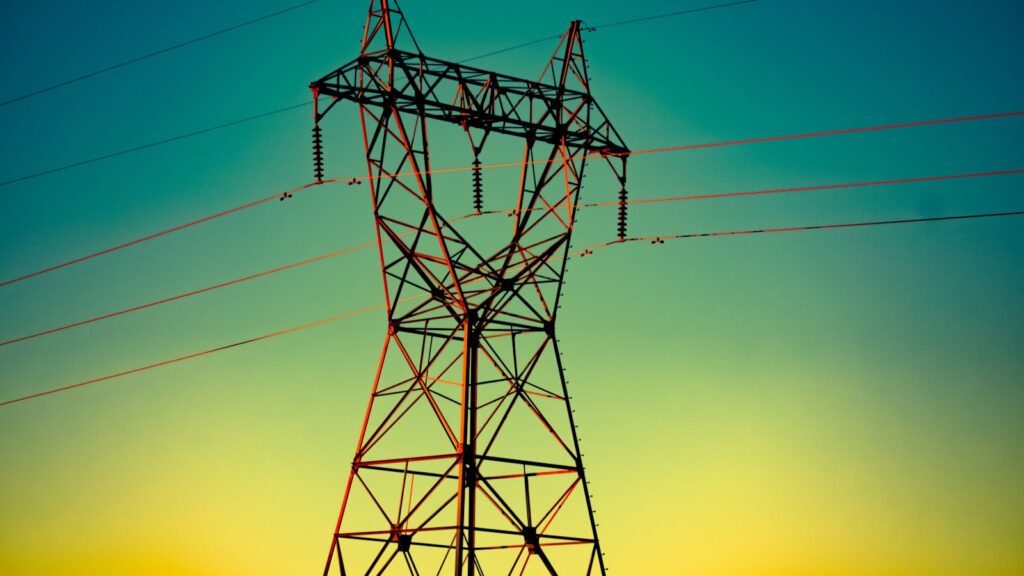
Victoria wants 95 per cent renewable electricity by 2035. Tasmania is already past 100 per cent and chasing 200. Queensland, depending on who you ask this month, doesn’t really have a bankable target at all. Three states, three entirely different realities, and that’s before you even get to New South Wales, South Australia or the […]
Alinta Energy: the quiet giant still burning coal
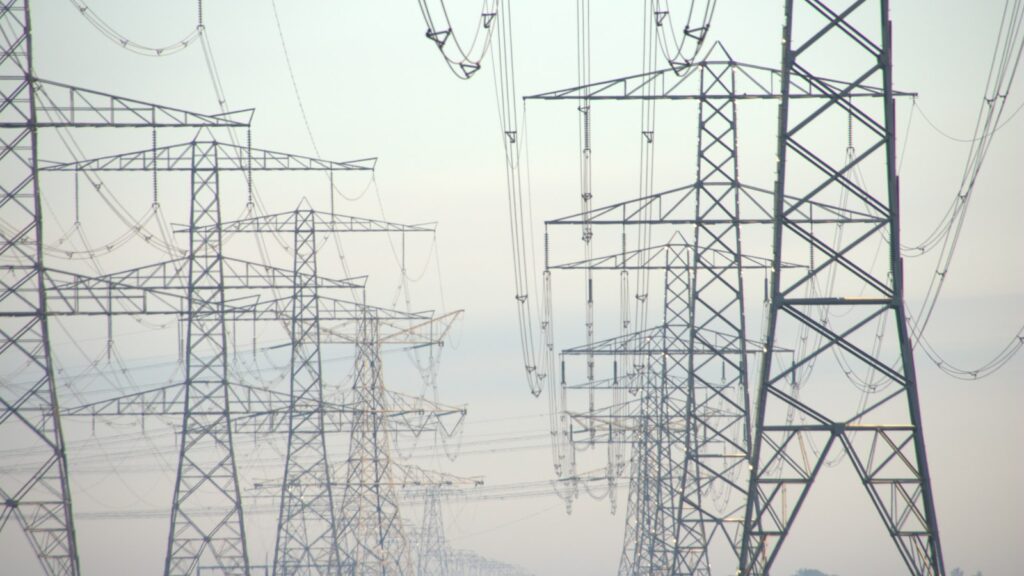
Roughly 1.1 million customers. A coal station that was supposed to close years ago. A Hong Kong billionaire as ultimate owner. And a retail business that competes in two of Australia’s most price-sensitive markets without making much noise about any of it. That is Alinta Energy in mid-2026, and the honest read is that very […]